HOPE WITH HARSHA - BECUASE EVERY POSSIBILITY BEGINS WITH HOPE !
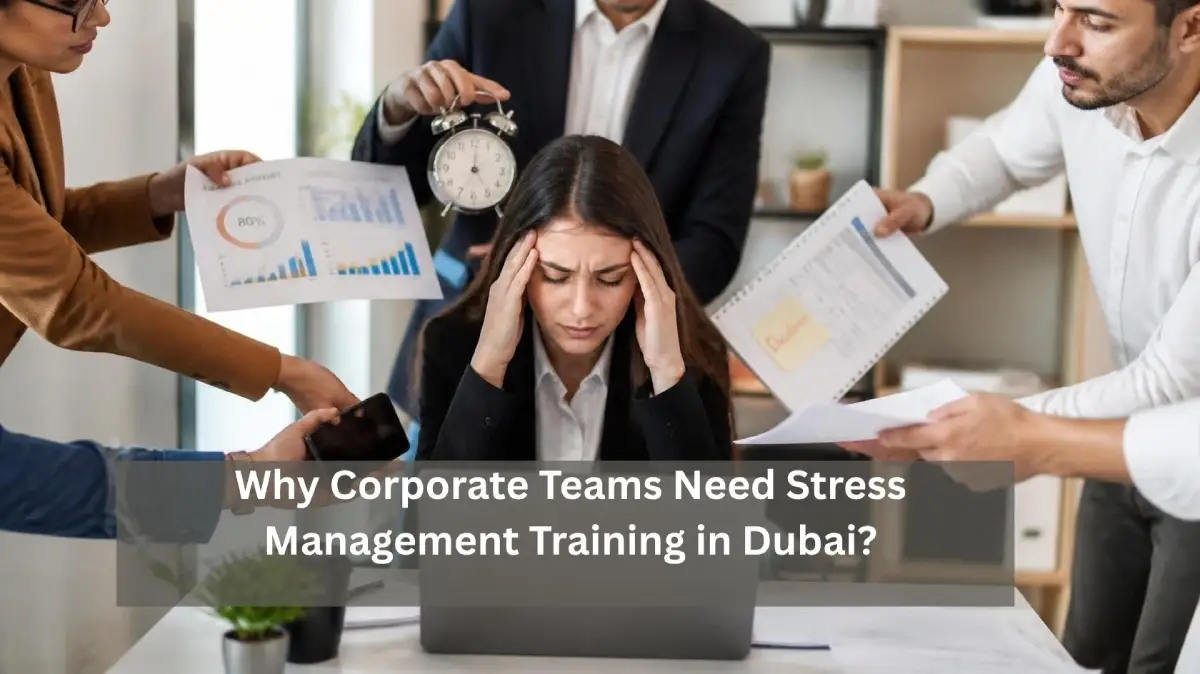
Why Corporate Teams Need Stress Management Training in Dubai
- On
- InBlog
Some office days in Dubai look perfectly normal from outside. People reach on time, meetings happen, emails get answered, targets are discussed. But inside the team, someone may be handling three urgent tasks, another person may be worried about a deadline, and a manager may already be thinking about tomorrow’s problems.
That is how workplace stress usually grows. Not always through one big crisis. More often, it comes from small pressures repeated every day.
This is exactly why Corporate Teams Need Stress Management Training in Dubai has become a practical business discussion rather than just an employee wellness topic.
Stress does not always look like stress
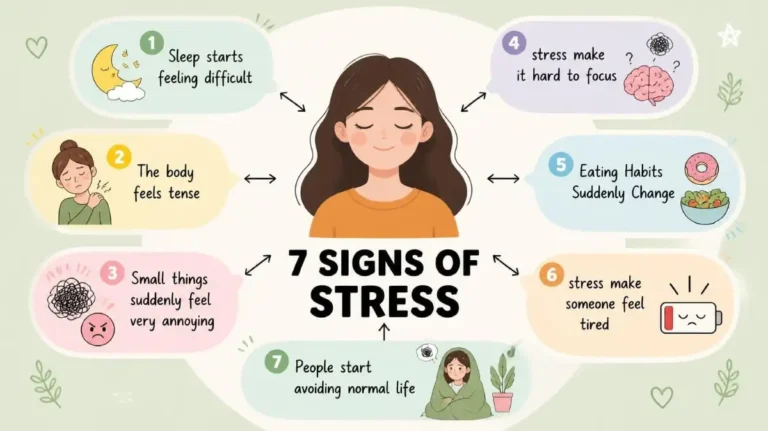
A stressed employee is not necessarily sitting quietly and looking unhappy. Sometimes stress looks like impatience during a meeting. Sometimes it is a normally helpful employee suddenly avoiding conversations. It can also look like missed details, poor listening, unnecessary arguments or staying late because the mind simply cannot switch off.
In a Dubai workplace, teams can have different cultures, communication styles and expectations. A small misunderstanding can become another layer of pressure. Add deadlines, client demands and constant digital communication, and the problem becomes bigger than one person’s workload. Stress management training gives employees a way to notice these patterns earlier.
Why do Dubai workplaces need a different approach?
Dubai has a fast-moving corporate environment. Businesses often work with international clients, multicultural teams and demanding service standards. Employees may also be adjusting to long commutes, changing schedules or the general speed of city life. So telling employees to “relax” is not really a strategy.
Training needs to be practical. For example, a team member may learn how to separate urgent work from work that only feels urgent. Another employee may learn a simple breathing technique before an important presentation. A manager may learn how to recognise when a team is overloaded instead of assuming lower productivity means lower commitment. These are small things, but they can change the working atmosphere.
Better emotional control during difficult situations
Imagine a customer sends an angry email at 4:45 pm. The sales executive reacts immediately, the manager forwards it to another department, and suddenly five people are discussing the issue emotionally. A trained team may still feel pressure. The difference is that the response becomes more controlled.
Stress management training can help employees pause, understand the situation and choose a useful response instead of reacting automatically. This does not mean making everyone calm all the time. That is unrealistic. It means helping people handle pressure without allowing every stressful moment to control their behaviour.
Productivity is not only about working harder
Many companies still connect productivity with longer hours. That can work for a short period, but constant pressure usually creates tired thinking. A tired employee can spend twenty minutes correcting a mistake that could have been avoided in five minutes. Stress management supports better focus, prioritisation and recovery.
For example, a project team preparing for a major client presentation may be working late every evening. Training can help the team identify unnecessary pressure, divide responsibilities more clearly and use short recovery breaks without feeling guilty about them. Interestingly, breaks can sometimes improve output rather than reduce it.
Managers need stress training too
This part is often missed. Managers are employees as well, and they frequently carry pressure from both sides. Senior leadership expects results while team members expect support. If the manager is constantly stressed, that mood can quickly spread through the department.
A manager who understands stress signals can have better conversations with employees. Instead of saying, “Why is this taking so long?”the conversation may become, “What is blocking the work?” That one change in language can make a difference.
Stress management training for corporate teams should therefore include managers, supervisors and team leaders, not only junior employees.
The workplace culture matters
One workshop cannot fix a toxic workplace. That needs to be said clearly. If employees are regularly expected to answer messages at midnight, attend unnecessary meetings and accept unrealistic deadlines, breathing exercises alone will not solve the problem. Training works better when the organisation also looks at workload, communication and expectations.
Still, training creates awareness. It gives teams a common language for discussing pressure without immediately treating stress as personal weakness. That can be valuable.
Practical skills employees can actually use
Good stress management training should not become a long lecture filled with complicated theories. Employees should leave with techniques that can be used on an ordinary Tuesday.
This may include breathing exercises, grounding methods, time-management habits, emotional regulation techniques, better communication practices and simple ways to create boundaries between work and personal time.
For instance, before entering a difficult meeting, an employee might take two minutes to slow breathing and identify the main outcome required from the conversation. It sounds basic. In a tense situation, the basics can be useful.
Where Hope with Harsha fits in?
Salary is not the only reason employees stay. A workplace where people constantly feel exhausted, ignored or under pressure can slowly lose good employees. Sometimes the resignation comes after months of frustration, not because of one incident.
Stress management training cannot guarantee retention, obviously. But it can contribute to a workplace where employees feel that wellbeing is taken seriously. That matters for businesses competing for skilled professionals in Dubai.
Stress management can support employee retention
The value of corporate training is not simply giving employees information. The better outcome is helping employees recognise pressure, understand their reactions and practise healthier responses.
For a Dubai company, this can be especially useful when teams are diverse and workplace pressure appears differently from person to person.
Some employees may speak openly about stress. Others may not. A practical training environment provided by Hope with Harsha can make those conversations easier.
What should a company look for?
Before selecting corporate stress management training, companies should ask a few simple questions.
Is the programme practical? Can employees use the techniques during a real workday? Does it include managers? Is the trainer able to work with multicultural teams? Can the programme be adjusted for different departments? Also, avoid programmes that promise to eliminate stress completely. Stress is part of working life. The realistic goal is beer management, not a stress-free office.
A small change can start the process
A company does not need to wait for burnout, frequent resignations or a major workplace conflict before taking stress seriously.
A short training programme, followed by better conversations and sensible workplace practices, can start changing how teams handle pressure.
That is the real reason Why Corporate Teams Need Stress Management Training in dubai.
The goal is not to create employees who never feel stressed. That person probably does not exist.
The goal is to build teams that can face deadlines, difficult clients, changing priorities and busy periods without allowing pressure to damage communication, health, focus and workplace relationships.
For many Dubai companies, that is not an extra benefit anymore. It is becoming part of responsible management.
FAQs
Why is stress management training important for corporate teams in Dubai?
Stress management training helps Dubai employees handle deadlines, workload pressure, difficult conversations and changing priorities more effectively. It can improve emotional control, communication and focus while helping managers recognise stress signs earlier and support employees before pressure begins affecting teamwork, performance or workplace relationships.
What does corporate stress management training usually include?
Corporate stress management training may include breathing exercises, emotional regulation, practical relaxation methods, communication skills, time management and techniques for handling difficult situations. Effective programmes focus on workplace examples, allowing employees to practise skills they can use during meetings, deadlines and challenging workdays.
Can stress management training improve employee productivity?
Yes, it can support productivity by helping employees manage distractions, emotional pressure and mental fatigue. Training does not make every workplace problem disappear, but better stress responses can reduce avoidable mistakes, improve concentration and help employees approach demanding tasks with clearer thinking and more consistent energy.
How can Hope with harsha help Dubai companies?
Hope with Harsha can provide a people-focused approach to stress management for corporate teams. Training can help employees understand stress responses, practise practical coping techniques and develop healthier workplace habits. Companies can also use these sessions to encourage open conversations around wellbeing, communication and sustainable performance.