HOPE WITH HARSHA - BECUASE EVERY POSSIBILITY BEGINS WITH HOPE !
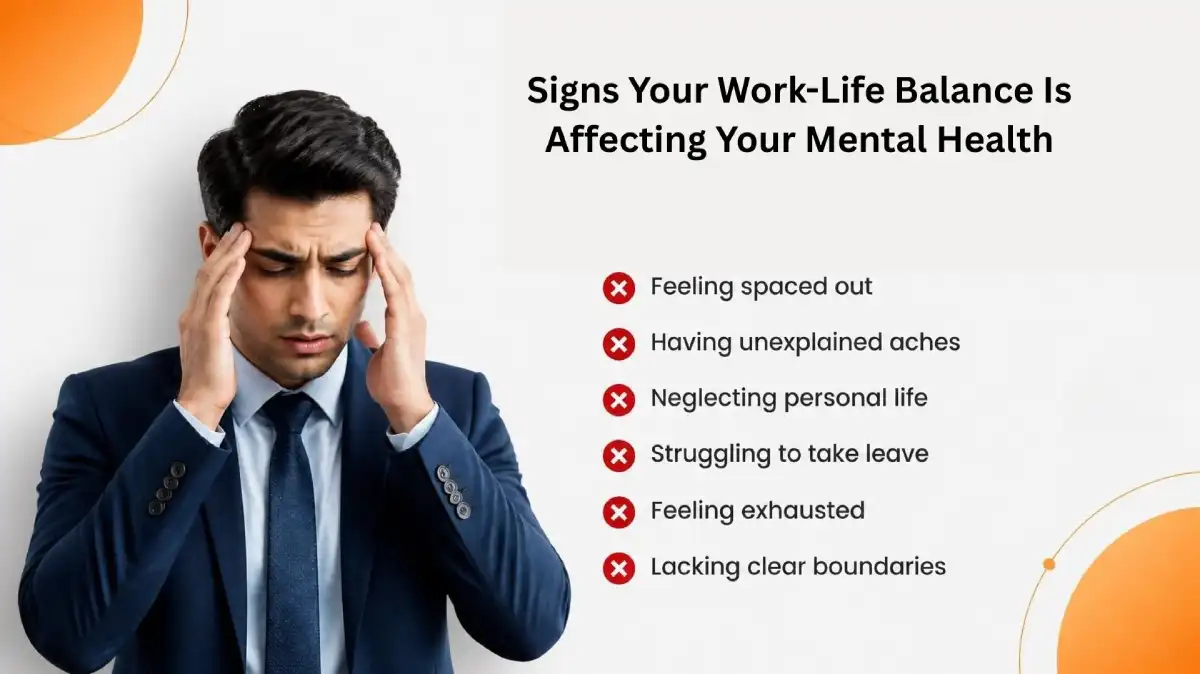
10 Signs Your Work-Life Balance Is Affecting Your Mental Health
- On
- InBlog
Occasionally people are heard saying that being busy is the sign of a successful person. It all seems quite positive till your body gives you the signal that something is not right even if you sleep properly. At that stage, minor irritations are very frustrating and work is continuously following you into your evenings, weekends , family dinners, even holidays. It does not happen overnight in most cases but rather slowly, almost imperceptibly. Mixing different shifts or commuting long hours for many people in the city, family roles and personal goals are all part of living in Dubai fast lifestyle. People may not even be aware sometimes that their work-life balance has gone off as they are surrounded by equally busy people. That type of comparison might be misleading.
When speaking of emotional wellbeing at Hope with Harsha, they usually have one very straightforward remark to start the topic. Stress due to work pressure is the only thing that many think of when the word stress itself appears to them. In reality though, the key problem is the lack of the transition between office and personal life which is very crucial for a person’s well-being and health. That absence of boundaries is what people should really be worried about.
They should understand that even work-related stress might not be as a big problem as a constant feeling of isolation or missing family time due to work. A human being is more than just his/her professional capacity and a life that is only about work might lead to depression, anxiety, health problems and ultimately loss of motivation, productivity etc. That is what they mean when they talk about missing space between the two aspects of life. It is the real issue, and the gap itself is actually what is very much of the core concern. The gap itself can be considered very important Actually even much more than it is usually perceived by many people.
Feeling Tired Even After Sleeping
Eight hours of sleep should help. Yet waking up already exhausted becomes common. It is not always because of poor sleep quality. Sometimes the brain never actually disconnects from work. Emails replay in the mind. Tomorrow’s presentation keeps running like a background app. The body lies in bed, but the mind keeps attending meetings.
One software engineer in Dubai may sleep early but still wake up mentally drained because every night ends with checking office messages. It feels normal after some months. Actually, it isn’t. This kind of tiredness often becomes one of the earliest warning signs.
Small Things Start Feeling Too Big
Traffic becomes unbearable. A slow internet connection feels like a personal attack. Someone asking a simple question creates irritation. Normally these situations are manageable. But when work-life balance is off, emotional energy becomes limited. Even tiny inconveniences feel much heavier than they really are. Interestingly, many people blame their personality. They think they have become impatient. In reality, continuous stress may simply be reducing emotional capacity.
Personal Relationships Feel Like Another Task
Family dinners become shorter. Friends stop inviting me because the answer is always “busy.” Children start talking less because they assume work is more important. That sounds harsh. Still, it happens. Relationships need attention, not just physical presence. Sitting together while checking office notifications every few minutes doesn’t create connection. Sometimes people believe they are working hard for their family. That is true in many cases. But if meaningful conversations disappear completely, something deserves attention before emotional distance becomes permanent.
Weekends Never Feel Refreshing
Weekends were supposed to recharge people. Instead, Saturdays become recovery days from work stress, while Sundays become anxiety about Monday morning. Nothing actually feels relaxing. Some spend the whole weekend sleeping. Others keep thinking about unfinished projects. Either way, the mind never experiences genuine rest. A balanced routine usually includes moments where work is forgotten, even briefly.
Constant Guilt About Everything
This one is confusing because guilt appears from every direction. Working late creates guilt about missing family time. Leaving work on time creates guilt about unfinished tasks. Taking leave creates guilt toward colleagues. Even relaxing feels uncomfortable. That constant emotional tug becomes mentally exhausting. After some time, people stop enjoying free moments because productivity feels like the only acceptable state. Not every ambitious person experiences this, though many do.
Concentration Starts Slipping
Reading one email three times. Forgetting appointments. Missing simple details. Starting five tasks without finishing one. The brain under prolonged stress struggles to maintain focus. Coffee may help temporarily, but mental overload cannot always be solved with another cup. Office performance may even decline despite spending more hours working. Strange, but surprisingly common.
Physical Symptoms Keep Appearing
Mental health doesn’t always announce itself through emotions. Sometimes the body speaks first. Common examples include:
- Frequent headaches
- Neck and shoulder tension
- Digestive discomfort
- Chest tightness without medical cause
- Constant fatigue
- Changes in appetite
Many professionals first visit doctors because of physical discomfort before realizing stress plays a major role. That doesn’t mean every physical symptom comes from stress. Medical evaluation always remains important. Still, emotional pressure often contributes more than expected.
Hobbies Slowly Disappear
There used to be cricket. Painting. Reading novels. Evening walks. Cooking for fun. Then one day those activities quietly disappear. People often say there is no time anymore. Actually, there may be time, but very little mental energy. This is an overlooked sign because hobbies seem optional. Yet they often help the brain recover from daily stress. Without enjoyable activities outside work, life starts revolving around responsibilities alone. That cycle rarely feels satisfying for long.
Success Stops Feeling Rewarding
A promotion happens. Salary increases. Targets are achieved. Yet excitement lasts only a day or two. Soon another goal appears. This emotional flatness surprises many high performers. Achievement without recovery becomes difficult to enjoy. The brain remains focused on surviving the next challenge rather than celebrating progress. Oddly enough, chasing success endlessly can reduce the ability to feel successful. That sounds contradictory, but many professionals describe exactly this experience.
Anxiety Before Every Workday
Sunday evenings feel heavy. Morning alarms create immediate stress. Even opening the office laptop causes discomfort. Some people mistake this for laziness. Usually it isn’t. Persistent anxiety before work may indicate deeper emotional exhaustion rather than lack of motivation. The difference matters because treating burnout like poor discipline often makes things worse.
Emotional Reactions Become Unpredictable
Crying unexpectedly. Getting angry quickly. Feeling numb during happy moments. Laughing less than before. Mood changes happen for many reasons, but ongoing imbalance between work and personal life can increase emotional instability. Some people become quieter instead of emotional. Others become unusually reactive. Neither response should be ignored if it continues for weeks.
Why Do Dubai Professionals Often Experience This More Intensely?
Dubai offers incredible career opportunities. It also creates unique pressures. Many professionals live away from extended family support. Commutes can be long. International teams work across different time zones. Some industries expect constant availability. Competition stays high. Because everyone appears productive, overworking sometimes becomes socially accepted. Unfortunately, mental health does not follow workplace trends. Healthy boundaries remain important regardless of industry.
Practical Changes That Can Actually Help
Huge lifestyle changes sound impressive. Small consistent habits usually last longer. Some practical ideas include:
- Stop checking work notifications during meals.
- Keep one evening each week completely work free.
- Take short walking breaks between meetings.
- Protect sleeping hours like important appointments.
- Schedule enjoyable activities instead of waiting for free time.
- Learn to say no when workload becomes unrealistic.
- Speak openly with trusted family members about stress.
- Reach professional support before reaching complete burnout.
Not every suggestion works for everyone. Life responsibilities differ. Still, even one small adjustment repeated consistently can reduce emotional pressure.
When Professional Support Becomes Necessary
There is no perfect moment for seeking help. Many people wait until stress becomes unbearable. That delay often makes recovery harder. If emotional exhaustion continues for several weeks, relationships keep suffering, sleep stays disturbed, anxiety increases, or daily functioning becomes difficult, professional guidance deserves consideration.
Conclusion
Hope with Harsha assists those in Dubai who are going through stress burnout, emotional exhaustion, anxiety, and work-life balance challenges. A dialogue at a very early stage often prevents more serious mental health difficulties later on. Getting help with therapy is not just reserved for people who are in crisis only. In fact, therapy can be used as a very effective tool to enable one’s own pattern of behavior to be understood better.
Having a better work-life balance does not mean you stop being ambitious. It implies that you guard your energy to be able to achieve professional success as well as enjoy personal life. That balance probably will not look the same for everyone and even honestly speaking, it perhaps should not. Different professions, family situations, and personalities dictate different ways of living. So the key is to identify the time when work consumes more out of you than what it brings in. That self-awareness alone can be the most meaningful starting point leading towards a better mental well-being and healthier way of living.
FAQs
Can poor work-life balance really affect mental health?
Yes. When one's life is not balanced between job and home, it may very slowly make the person stressed, worried, and tired emotionally, leading him/her to lose the ability to sleep, etc. If your leisure hours get squeezed more and more, the mind will have a harder time to get rest. That means, daily tasks will seem more burdensome and over time, your emotional state may deteriorate.
How can someone know if work stress has become unhealthy?
Stress is still manageable in this case. If it goes on to a period when sleep relationships, ability to concentrate, physical health, and happiness are affected, it means you have crossed a healthy stress point. Identifying these shifts early on will enable a more timely and effective response and quite a bit prevent future issues from becoming major problems with emotional and cognitive implications.
Should someone seek therapy even without severe mental health symptoms?
Yes. It is true that therapy helps during hard times but it isn't only for crises. Working with a professional can not only reveal unhealthy patterns of behavior, teach more effective ways of handling difficult situations, increase the ability to cope with negative emotions but also help find the right balance between personal life and work before stress leads to anxiety, depression or other problems.
How does Hope with Harsha help professionals in Dubai?
Hope with Harsha is the mental health support service in Dubai that helps those suffering from the effects of work stress fatigue anxiety and imbalance between professional and personal life helps each individual through bespoke advice to cultivate healthier lifestyles, increased self-exploration emotionally speaking, tangible techniques of dealing with the problem, and sustainable mental health.