
HOPE WITH HARSHA - BECUASE EVERY POSSIBILITY BEGINS WITH HOPE !
What Is NLP and How Does It Work?
- On
- InBlog
Neuro Linguistic Programming sounds like something very technical, like coding or brain surgery or some AI machine thing. But in real life, it is more about how thinking, language and behaviour gets connected in a person. Simple version, it is about how the mind talks to itself and how that talk changes actions. In Dubai coaching spaces, especially programs like Hope with Harsha, NLP is often used in self-growth sessions, confidence building, fear handling, and communication improvement. Not magic, but still feels like magic for many people because small shifts in thinking create visible changes in behaviour.
Sometimes people misunderstand NLP and think it is manipulation or mind control. That is not really correct. It is more like observing patterns. Like why one person freezes when speaking in meetings but the same person becomes very confident while explaining something to a child. Same brain, different triggers.
Mind, Language and Behaviour… all mixed together
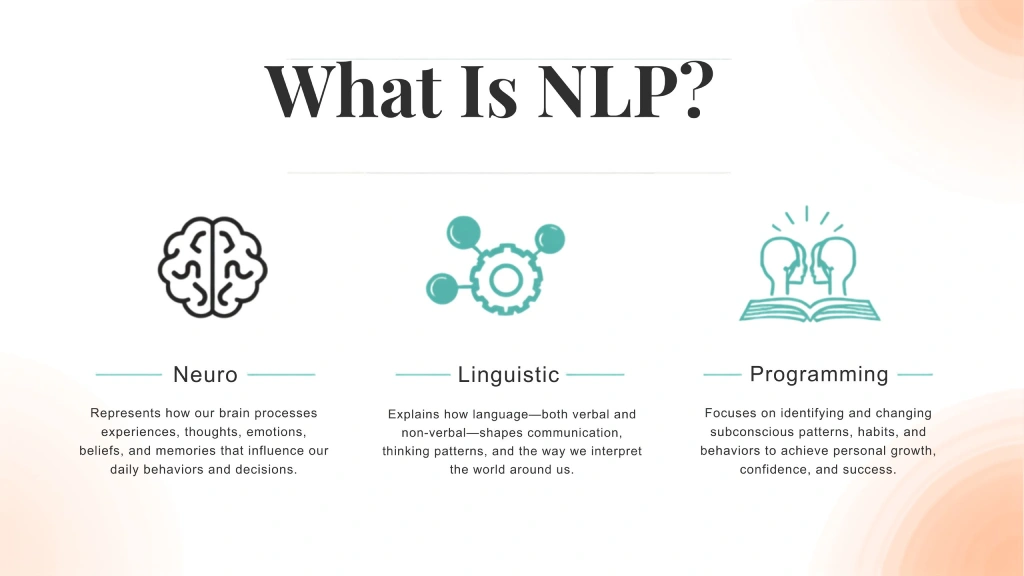
NLP basically says mind (neuro), language (linguistic) and behaviour (programming) are linked. Sounds heavy, but the example makes it simple.
A person in Dubai working in sales keeps thinking “I will fail this pitch”. Slowly that sentence repeats in my mind again and again. After some time, the voice becomes low, eye contact reduces, hesitation comes. The client feels a lack of confidence. The deal goes away. Now nothing external happened first, only internal sentences changed everything.
Another person in the same office says “this is just another conversation, not pressure”. Body stays relaxed, voice stays steady. Same product, same client type, different internal language. That is the NLP idea in action.
Still, not everything is perfect about NLP. Some trainers over-explain it like it can fix everything in life. That is not true. It helps, but does not replace real skills or practice.
How does NLP actually work in real situations?
In places like Dubai where coaching culture is strong, NLP is used in very practical ways. Not theory heavy always.
For example, during a Hope with Harsha workshop session, a person struggling with fear of public speaking might be asked to remember a confident moment. Not the fear moment. Then slowly that memory is made stronger in mind by focusing on posture, breathing, and words used during that confident time.
Now the brain starts linking confidence with speaking instead of fear with speaking. It sounds simple, almost too simple, but repetition matters.
Another common technique is changing internal language. Instead of “I can’t do this”, it becomes “this is new, needs practice”. Not forced positivity, just softer framing. Small change, but it reduces pressure.
But sometimes people feel strange about it also. Like why focus on thoughts when the real problem is skill? That doubt is valid. NLP does not replace skill building. It only reduces mental blockage.
Patterns people don’t notice in daily life
In normal routine, NLP is already happening without awareness. Like when someone avoids a certain road because of one bad memory. Or when a smell suddenly brings back childhood feelings. That is the brain linking language, memory, and emotion.
A student in Dubai preparing for exams might say “math is difficult”. After repeating this line for months, the brain stops trying harder. It accepts difficulty as identity. Then even easy questions feel heavy.
On the other hand, another student says “math takes time but can be solved”. Same subject, different internal script. Slowly behaviour changes. More practice, less panic.
Hope with Harsha sessions often point out these small internal scripts. Not in a dramatic way, just simple questions like “why is this sentence being repeated inside my mind?”
Still, sometimes the NLP explanation feels a bit too neat. Real life is messy, emotions are not always controllable. That is true also. NLP works better when combined with real action, not just thinking.
Language tricks, but not tricks actually
The word “linguistic” in NLP confuses people. It is not about grammar or English fluency. It is about words used in mind and speech.
For example, saying “always fails in interviews” is heavy. It creates identity-level pressure. But saying “interviews didn’t work till now” feels lighter. The brain reacts differently.
In Dubai’s corporate environment, especially in HR or sales roles, language patterns matter a lot. Confidence is not only skill, it is also expression.
Hope with Harsha trainers often notice that participants use extreme words like “never”, “always”, “impossible”. These words are small but powerful. Replacing them does not change reality immediately, but reduces emotional weight.
Still, there is a contradiction here. Sometimes harsh truth is also needed. Over-softening language can make people avoid responsibility. So balance is required, not just positive wording.
Behaviour changes that look small but feel big
NLP also looks at behaviour patterns. Like posture, eye movement, tone of voice.
A person sitting in an interview room with slouched shoulders and very fast speech often appears less confident even if answers are correct. Another person sitting straight, pausing before answering, feels more stable.
In training environments in Dubai, these small details are practiced again and again. Not because body language is everything, but because it supports internal state.
Hope with Harsha sessions sometimes include mirror exercises or role plays. At first it feels awkward. Many people laugh during practice. But after a few rounds, the same awkwardness reduces.
Still, one issue is some people try to “fake” confidence using body language without internal change. That usually doesn’t last. NLP teachers often point this out, but learners still try shortcuts.
Memory and imagination side of NLP
One interesting part is how NLP uses imagination. The brain cannot fully separate real memory and imagined experience if emotion is strong.
So when a person imagines a successful presentation in detail—voice, audience reaction, posture—the brain starts treating it as familiar. Not the same as real experience, but still helpful for confidence building.
In Dubai coaching culture, visualization is common. Hope with Harsha uses this in guided exercises. A participant may be asked to picture walking into a room calmly, speaking clearly, and finishing strong.
But again, not everyone feels it works. Some people say “this feels fake”. That doubt is normal. It works better when combined with actual practice, not alone.
Why do people still talk about NLP?
Even with criticism, NLP remains popular because results are often felt quickly in mindset shifts. Not always life-changing miracles, but small improvements like:
- less fear in speaking
- better control over thoughts
- improved communication clarity
- reduced overthinking in some situations
In Dubai, a fast-paced lifestyle makes people look for quick mental tools. NLP fits that demand.
Hope with Harsha programs often attract people who feel stuck but not severely broken. Just mentally overloaded, confused, or lacking direction.
Still, NLP is not science in a strict experimental sense like physics. That debate continues. Some experts support parts of it, some reject it. Both sides have points.
Real takeaway from everyday use
In practical life, NLP works best when treated like an awareness tool. Not an absolute truth system. It helps notice what kind of sentences are running inside the mind and how they affect behaviour.
A person thinking “this will go wrong” and a person thinking “let’s try and see” will act differently. That difference is what NLP focuses on.
Hope with Harsha in Dubai uses this idea in coaching style sessions, mixing discussion, exercises, and reflection. Some people change quickly, some take time, some feel nothing at all. That variation is normal.
At the end, NLP is less about fancy terms and more about noticing simple connections between thoughts, words, and actions that already exist in daily life, just not always observed clearly.
FAQs
NLP or Neuro Linguistic Programming is basically a way of understanding how thoughts, language & behaviour are connected. It studies how internal dialogue affects actions, emotions and responses in daily life. Especially in communication and confidence situations.
NLP can be useful for improving confidence, reducing overthinking & changing negative thinking patterns. In real situations like interviews or public speaking, it helps people become more aware of their internal language and react in a calmer & controlled way.
No. NLP is not mind control. It is about self awareness and behaviour patterns. It does not control other people’s minds. Instead, it focuses on how a person’s own thoughts and language influence their feelings, decisions, and communication style.
In coaching programs like Hope with Harsha in Dubai, NLP is used for mindset improvement, confidence building & communication training. It includes exercises like visualization, reframing thoughts and changing internal language patterns to support personal growth and clarity.