
HOPE WITH HARSHA - BECUASE EVERY POSSIBILITY BEGINS WITH HOPE !
Emotional Regulation Coach in Dubai – Real Experience With Hope with Harsha
- On
- InBlog
Join Hope with Harsha Today!
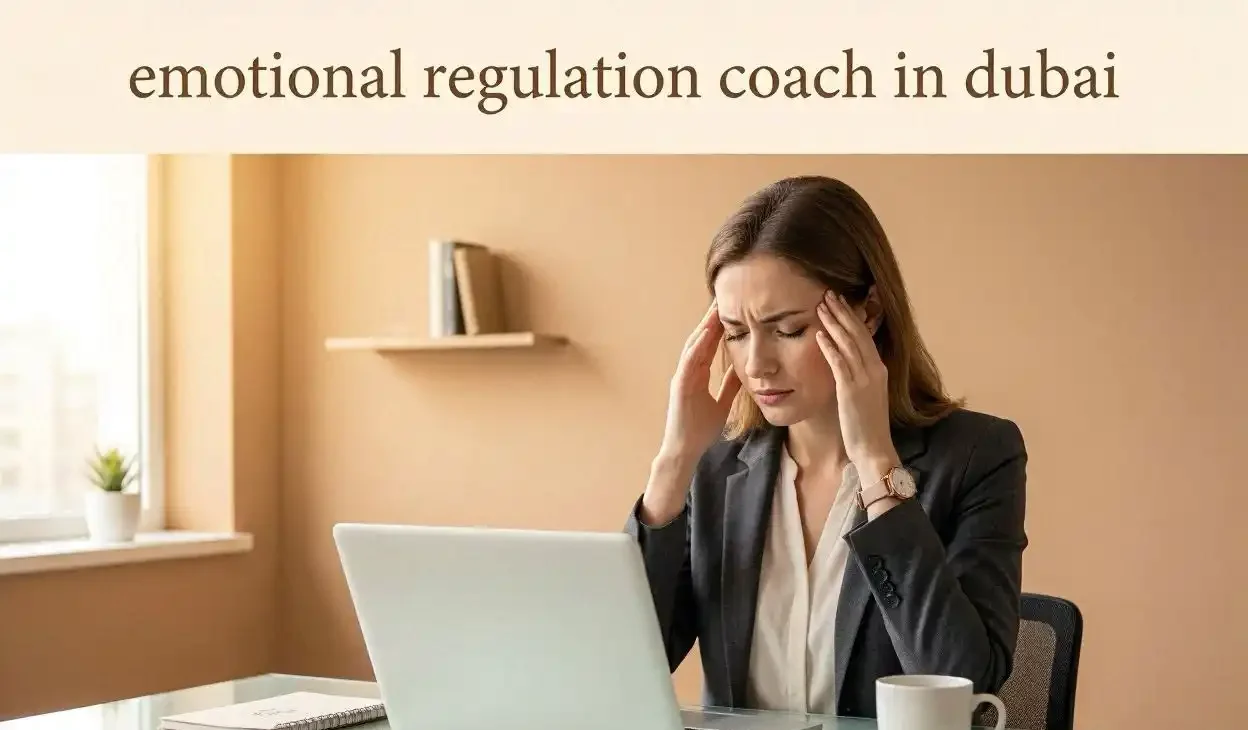
Some people notice stress slowly. It builds up over weeks and months. Then one day a small thing feels huge. A delayed message. A work comment. A family discussion. Everything starts feeling heavier than it should. That was the situation seen in a close circle where emotions seemed to run the day instead of supporting it. During that time the search for an Emotional Regulation Coach in Dubai led to Hope with Harsha. The experience felt different from expected. There was no pressure. No complicated language. Just practical conversations and simple tools that could actually fit into everyday life.
Dubai is a busy place. Most people already know that. Days move fast. Work schedules are packed. Traffic can be tiring. Social expectations can sometimes feel like another full time job. Because of that many people carry emotional stress without really noticing it. It becomes normal. Getting irritated quickly feels normal. Feeling overwhelmed feels normal. Even emotional exhaustion starts feeling normal. That is probably why emotional regulation is becoming a topic more people are talking about. Not because life is falling apart. Mostly because life becomes easier when emotions stop controlling every decision and reaction.
What does an Emotional Regulation Coach in Dubai actually do?
This was one of the first questions that came up. The simple answer is that an emotional regulation coach helps people understand their emotional responses and manage them in healthier ways. At Hope with Harsha the focus seemed practical rather than theoretical.
Some areas often discussed include.
- Understanding emotional triggers.
- Responding instead of reacting.
- Managing stress during daily situations.
- Building emotional awareness.
- Improving communication during difficult moments.
The process did not feel like being told what to do. It felt more like learning how emotions work and how to handle them before they become overwhelming.
One thing that stood out was how often people confuse emotional regulation with emotional suppression. They are not the same thing. Suppression usually means pushing feelings away. Regulation means noticing feelings and handling them in a healthier way. That difference sounds small but it changes a lot. Someone can still feel angry and not explode. Someone can still feel anxious and continue functioning. Someone can still feel disappointed without letting the whole day collapse around that feeling. That seemed to be a big part of the work happening through Hope with Harsha. Learning emotional flexibility instead of emotional avoidance.
Why do people look for emotional regulation support?
The reasons are usually more ordinary than expected. Many people imagine there has to be a major crisis. That is not always true. Sometimes people simply get tired of feeling stuck in the same emotional patterns.
Common reasons include.
- Frequent stress.
- Emotional outbursts.
- Relationship tension.
- Workplace pressure.
- Anxiety during everyday situations.
- Difficulty setting boundaries.
In one situation a person described feeling exhausted after every disagreement. Even small conversations felt emotionally draining. After working on emotional regulation skills there was still stress now and then but the recovery time became much shorter. That alone made daily life feel lighter.
Something interesting appeared during conversations about emotions. Many people know exactly what happened but struggle to explain what they felt. There is a difference. Knowing the event is easy. Understanding the emotional response takes practice. A coach can help connect those dots. Sometimes the real issue is not the event itself. Sometimes things like fear, frustration, embarrassment or uncertainty are the emotions behind. Once we know those feelings better, it is also easier to handle our reactions. It is pretty straightforward in theory but practicing it could bring you unexpected power.
Can emotional regulation help with relationships?
Yes. Probably more than many people expect. Relationships are often affected by emotional reactions that happen in seconds. A sharp response. A defensive comment. A misunderstanding that grows bigger because emotions take over.
Through emotional regulation people often learn to.
- Pause before reacting.
- Communicate more clearly.
- Listen without becoming defensive.
- Recognize emotional triggers.
- Recover faster after conflict.
One noticeable change involved everyday conversations becoming calmer. Not perfect. Just calmer. Arguments did not disappear. They simply stopped escalating as quickly. That felt meaningful because healthier communication tends to improve many areas of life at the same time.
Work relationships may benefit too. Since most professionals spend several hours daily communicating with coworkers, superiors, customers and groups, regulating one’s emotions can bring the formation of a distance between one’s reaction and the scenario. Such distance may well turn the difference between a fruitful talk and an undeserved fight. Some people say that, after they got to know the emotional patterns, the pressure at work seemed to be under their control. There were still difficulties but they didn’t have the same emotional burden during the day.
What makes Hope with Harsha different?
Every coaching experience is different so this answer will always be somewhat personal. Still a few things consistently stood out.
- Conversations felt genuine.
- Practical strategies were easier to apply.
- Sessions focused on real life situations.
- Emotional awareness was explained simply.
- Progress felt gradual rather than forced.
There was also a sense that emotional growth did not need to be dramatic. Small improvements mattered. Better reactions during stressful moments mattered. Better sleep mattered. Better communication mattered. Sometimes people overlook small wins but those small wins often create larger changes over time.
Another detail worth mentioning is the atmosphere. Some people worry they will be judged when discussing emotional challenges. That concern seems common. What felt noticeable here was the absence of that pressure. Discussions felt comfortable enough to explore difficult emotions without feeling rushed. That probably helped create honest conversations. Honest conversations tend to reveal useful insights. Without honesty emotional growth becomes much harder because people end up talking around problems instead of understanding them.
How long does it take to improve emotional regulation?
This question comes up often and there is no single answer. Emotional habits develop over many years. Because of that, meaningful change usually takes practice rather than quick fixes.
A few things influence progress.
- Consistency.
- Self awareness.
- Willingness to practice new skills.
- Daily stress levels.
- Personal goals.
Some people notice small changes quickly. Others need more time. The important part is that improvement often happens gradually. Looking back after several weeks can reveal changes that were difficult to notice day by day.
One example involved handling stressful emails. Previously a single message could affect an entire afternoon. After practicing emotional regulation skills the same type of email still caused stress but the emotional reaction passed much faster. That may sound minor. Yet repeated across dozens of situations it creates a significant difference in overall wellbeing. Small shifts repeated consistently often become the foundation for lasting emotional resilience.
There is also something reassuring about realizing emotions do not need to disappear. Many people start this process believing they should stop feeling anger, sadness , frustration or anxiety. That goal is unrealistic. Emotions are part of being human. Emotional regulation is more about navigating them effectively. Hope with Harsha seemed to approach the topic from that perspective. The goal was not perfection. The goal was greater awareness, healthier responses and a more balanced daily experience.
Conclusion
Looking back, the strongest impression was not a dramatic breakthrough moment. It was the accumulation of small practical changes. Better conversations. Less emotional exhaustion. More awareness during stressful situations. A greater ability to pause and think before reacting. Those improvements quietly added up over time. For anyone searching for an Emotional Regulation Coach in Dubai and wondering where to begin, Hope with Harsha appears to offer a thoughtful and realistic approach. Life does not suddenly become stress free. Emotions do not magically disappear. Still everyday situations can start feeling more manageable. And sometimes that kind of steady progress is exactly what people have been looking for all along.
FAQs
Emotional regulation is understanding your emotions & handling them in a healthy way. It helps you stay calm in stressful situations. It makes your relationships and decision making easier. It also helps with communication and confidence & generally just makes you feel more balanced in your daily life.
Dubai Emotional Regulation Coach recognizes one is emotional triggers and second understands reactions of person & effectively creates coping strategies. Using personalized techniques and guided support, people learn to raise self awareness, better manage stress and develop healthier emotional habits gradually.
Coaching can help if you are dealing with stress, anxiety or feeling exhausted by work. It is also useful if you have a hard time managing your reactions to things. You do not need to be facing a huge crisis to benefit from it. It is just as helpful for anyone who wants to be more balanced or simply wants to work on themselves.
Hope with Harsha emphasizes effective, down-to-earth emotional support over complex theories. The coaching sessions are tailored, friendly and focus on helping the clients become more emotionally aware, improve the ways they express themselves, stay calm while handling problems, and make positive changes that last in their ordinary life.